In Singapore’s fast changing financial world, maintaining a good credit score can make a big difference in your borrowing options. A strong credit score opens the door to lower interest rates and faster loan approvals. Unfortunately, not everyone enjoys this advantage. Life can be unpredictable, and unexpected events like retrenchment, illness, or family emergencies can lead to missed payments. These situations can cause your credit score to drop and make borrowing money more difficult.
For many Singaporeans, this raises a difficult question. When the banks reject your loan applications because of a poor credit score, what options are left? The answer may lie with a money lender Singapore.
But will a licensed money lender in Singapore really approve a personal loan Singapore for someone with bad credit? The short answer is yes but it depends on several factors. Let us explore how licensed money lenders operate, what they look for in a borrower, and what you can do to improve your chances of getting approved even if your credit score is less than ideal.
Understanding Credit Scores in Singapore
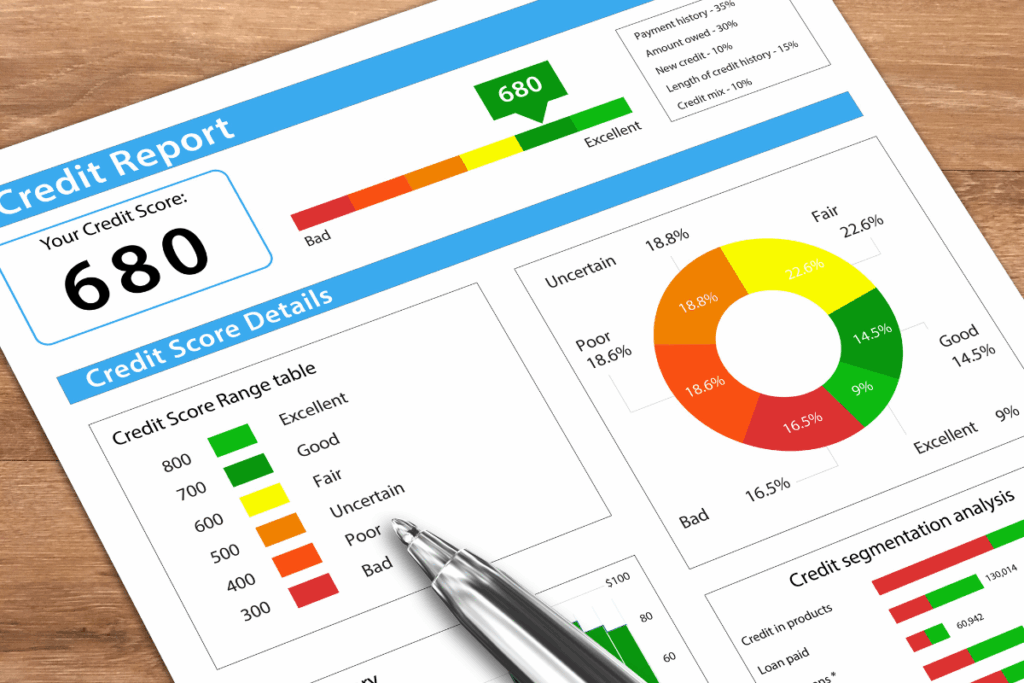
A credit score is a three digit number that reflects your creditworthiness. In Singapore, this score is calculated by the Credit Bureau Singapore (CBS). It usually ranges from 1000 to 2000, with higher numbers indicating better credit health.
Your score is influenced by several factors, such as:
- How promptly you repay credit cards and loans
- Your total outstanding debt
- The length of your credit history
- The types of credit accounts you hold
- Any defaults, bankruptcies, or legal actions taken against you
A score above 1900 is considered good, while a score below 1600 may be viewed as risky. Unfortunately, once your credit score dips, it can take time and effort to rebuild it.
If you are struggling with debt and need help regaining control, you can read Got into debt? Start getting out of it in 5 steps. It offers simple strategies to manage your finances and move forward with confidence.
How Banks and Licensed Money Lenders Differ
Banks in Singapore are known for their strict lending standards. They assess your loan eligibility based on your credit history, income, and debt profile. If you have missed payments or defaulted on loans before, your application will likely be rejected immediately.
A licensed money lender Singapore operates differently. These lenders are regulated by the Ministry of Law and must appear in the Registry of Moneylenders, which ensures that they follow fair and transparent practices.
Licensed lenders tend to focus on your current ability to repay rather than your past mistakes. They will assess factors like your income stability, existing obligations, and the purpose of your loan. Even if you have a poor credit score, a consistent income and responsible attitude can still help you get approval.
Another advantage is speed. Licensed money lenders often approve and disburse loans within a single day, while banks can take a week or more. For people facing urgent expenses such as medical bills or emergency repairs, this can be a lifesaver.
Can You Get a Loan with Bad Credit?
Yes, it is possible. Many licensed money lenders in Singapore approve loans for individuals with low credit scores, provided that they can show proof of income and a strong commitment to repay.
Let us say you missed payments a few years ago but now have a stable job. A money lender Singapore may still consider your application if you can provide documents such as payslips, proof of employment, and identification. Licensed lenders understand that financial hardship can happen to anyone and that bad credit does not necessarily mean you are irresponsible.
If you are managing your finances and want to learn how to stay on top of your expenses, Managing your finances in Singapore: A quick guide is a great resource that can help you plan better.
What Licensed Money Lenders Consider Before Approval
Even with bad credit, your loan can still be approved if you meet certain requirements. Licensed lenders will look closely at these factors:
- Employment Status and Income
Having a stable job is one of the most important criteria. A steady income reassures the lender that you can make regular repayments. - Debt to Income Ratio
This shows how much of your monthly earnings go towards existing debts. Keeping your ratio low increases your chances of approval. - Documentation Accuracy
Always provide valid and updated documents such as your NRIC, payslips, and proof of address. Incomplete paperwork can delay your loan approval. - Borrowing History
If you have borrowed from a licensed money lender before and repaid on time, it will improve your credibility. - Honesty and Transparency
Being open about your financial situation builds trust. Lenders appreciate honest applicants who are clear about their repayment plans.
Tips to Improve Your Loan Approval Chances
If you are planning to apply for a personal loan Singapore but are worried about your bad credit score, there are several steps you can take to improve your chances.
Check Your Credit Report
Obtain your report from the Credit Bureau Singapore and check for errors. Correcting inaccurate information can improve your score instantly.
Clear Outstanding Debts
Start paying down your existing debts. It not only strengthens your credit profile but also shows lenders that you are serious about financial responsibility.
Borrow Within Reason
Apply only for the amount you truly need. A smaller loan is easier to approve and to repay on time.
Stay in Stable Employment
Lenders favour applicants with long term, consistent income. Avoid switching jobs just before applying for a loan.
Pay on Time
Once you receive the loan, always make your payments before the due date. Timely payments can help rebuild your credit record faster.
Work Only with Licensed Lenders
Verify the lender’s credentials through the Ministry of Law’s Registry of Moneylenders. This ensures you are protected under Singapore law and not dealing with illegal operators.
If you are managing money together with your partner Should you open a joint account with your spouse? Here are 3 pros and 3 cons to consider can help you understand the pros and cons of shared financial management.
Regulations that Protect Borrowers
Licensed money lenders in Singapore are strictly regulated by the Ministry of Law under the Moneylenders Act. This law sets clear rules on how lenders must operate and how borrowers are protected.
Here are some key regulations every borrower should know:
- Interest Rate Limit: Licensed lenders cannot charge more than 4 percent per month on the principal amount.
- Late Fees: If you miss a payment, the late fee cannot exceed 60 Singapore dollars per month.
- Administrative Charges: The lender can only charge up to 10 percent of the principal as a processing fee.
- Written Agreement: Every loan must come with a contract clearly outlining the repayment terms and total cost.
- Prohibited Practices: Licensed lenders are not allowed to use threats or harassment to collect payments.
By law, all fees and interest must be clearly explained before you sign the agreement. This ensures that you understand what you are committing to and prevents unpleasant surprises later.
Advantages of Borrowing from Licensed Money Lenders
Choosing a licensed money lender Singapore instead of an unlicensed one provides several clear benefits:
- Fair Interest Rates: Regulated by the government, ensuring transparency.
- Faster Processing: Most loans are approved within the same day.
- Flexible Requirements: Credit scores are not the only deciding factor.
- Legal Protection: Borrowers are protected under the Moneylenders Act.
- Opportunity to Rebuild Credit: Consistent repayments can improve your score over time.
However, borrowers should always practise financial responsibility. Only take out what you truly need and ensure you can meet the repayment schedule comfortably.
A Real Example: Rebuilding Credit Through Responsible Borrowing
Consider the story of Darren, a Singaporean who lost his job during the pandemic. He missed several credit card payments and his score dropped. When he later found new employment, his bank declined his loan application because of his poor credit history.
Instead of giving up, Darren approached a licensed money lender Singapore. After reviewing his current payslips and employment details, the lender approved a small short term loan. Darren repaid it diligently every month. Over time, this positive repayment history helped him rebuild his financial reputation.
A year later, he was able to qualify for a lower interest personal loan Singapore from the same lender. This example shows that responsible borrowing can open the door to long term financial recovery.
If you plan to expand your credit options later, Choosing a credit card in Singapore 2025 is a helpful guide that explains how to select the right card for your lifestyle and spending needs.
Building Long Term Financial Health
Getting approved for a loan is only the first step. The real goal is to strengthen your financial health for the future. Here are a few simple habits that can make a big difference:
- Review your credit report every six months.
- Keep your debt level below 30 percent of your income.
- Build an emergency savings fund covering at least three months of expenses.
- Limit the number of loans and credit cards you apply for.
- Seek financial counselling or advice if you find it hard to manage your debts.
Financial recovery is not immediate, but with consistent effort, anyone can achieve stability. A poor credit score today does not have to define your financial future.
Conclusion
Having a bad credit score can feel discouraging, but it does not mean you are out of options. In Singapore, licensed money lenders provide a legitimate and regulated way to borrow money even when banks turn you down.
By showing proof of income, keeping your debts manageable, and communicating openly, you can still qualify for a personal loan Singapore. More importantly, timely repayment will help rebuild your credit record and improve your financial credibility.
A money lender Singapore is not simply a last resort but a partner in your journey to financial recovery. With careful planning and responsible borrowing, you can overcome the challenges of bad credit and work towards a stronger financial future.